Warm Porch V4
Approach Communities Treatments About FAQ Contact
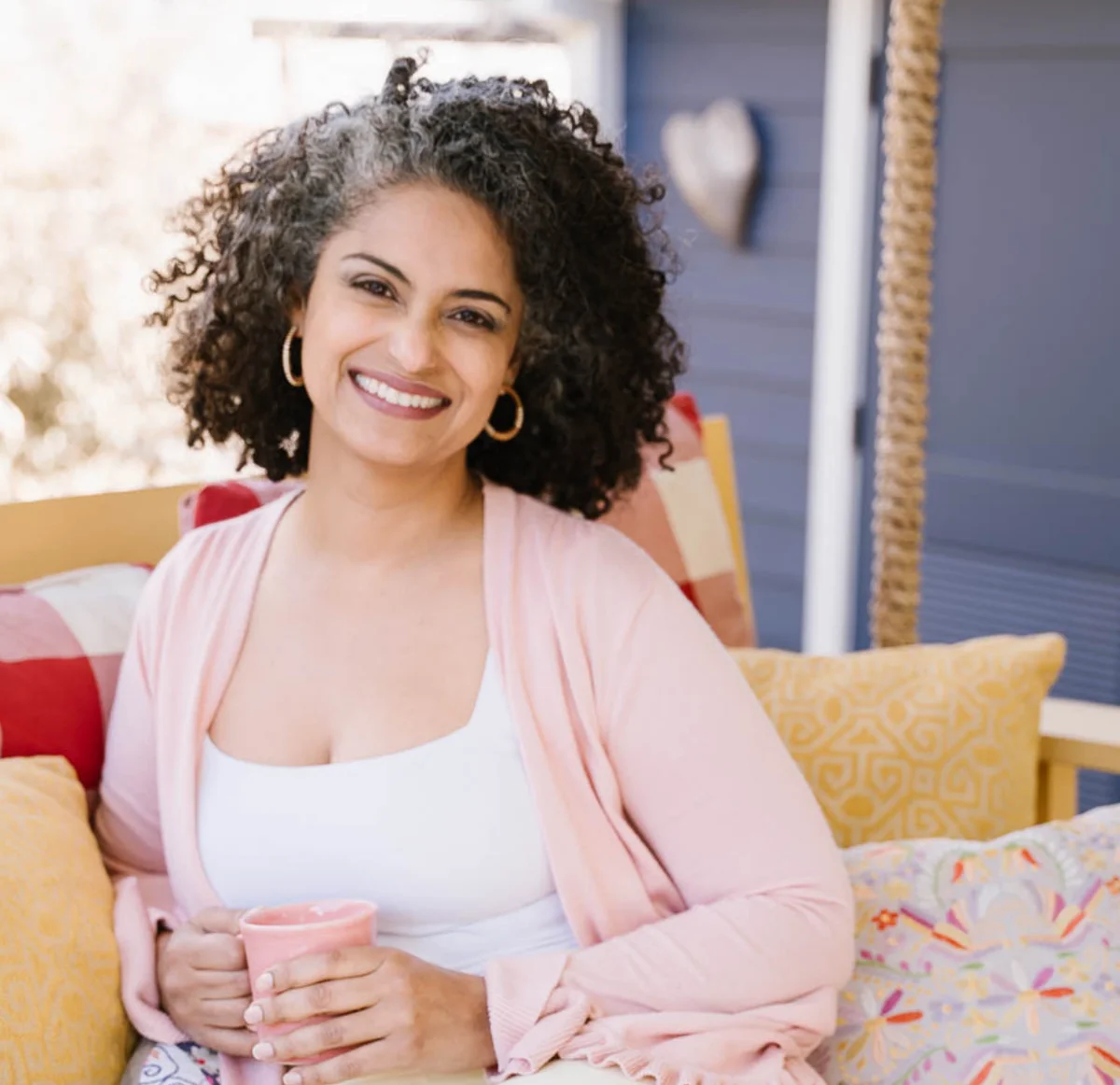
Fadya Al Bakry seated on her porch, wearing a blush cardigan and holding a pink mug, surrounded by colorful cushions

Fadya Al Bakry, LPC, LCDC

All of you
belongs here.

I work primarily with three communities: people carrying complex trauma, expats adjusting to life far from where they started, and LGBTQIA2S+ Arabs and Muslims. My practice is grounded in the body, because that's where the real work tends to happen.

Book a Free Consultation
01 — WELCOME

How I Work

The body keeps
the score.

Most people show up expecting to just talk. We do talk. But when it comes to what's really running the show, the tightness in your chest, the breath you hold before you speak, the shutdown that arrives when you should feel something and don't - that's where I work. I'm trained in NARM and Somatic Experiencing, which are both ways of listening to what the body has been carrying. We pay attention to what's happening in your nervous system, in real time, and we work with it.

I think a lot about muted empathy or the way some of us learned to turn the volume down on what we feel because feeling it wasn't safe. That disconnect between knowing something is hard and not being able to feel it? Your body was protecting you. We work with that, not against it.

Even if you don't have the words, your body can often tell the story.

02 — APPROACH

"You don't have to translate yourself here."

03 — VOICE

Who I Work With

Three communities.

I organize my practice by lived experience, not diagnosis. If you see yourself here, this is for you.

Complex Trauma &
Shock Trauma

The pain that didn't happen once. It happened every day. Maybe a household. Maybe a system. Maybe the water you grew up treading. Very, very deep trauma work — layered, relational, and held in the body. Most of my training has been focused here. You don't need to have it figured out before we meet.

Expats, 3rd Culture Kids &
1st Generation

For those of us who grew up translating not just language, but worlds. The ache of living between cultures lives in your nervous system. I'm an expat too. My parents are Kenyan, I speak Swahili and Arabic, and a lot of my clients land here because that part of me is on the table. You don't have to explain the in-between.

LGBTQIA2S+
Arabs & Muslims

You get a therapist who doesn't flinch when you bring your whole self into the room. Your queerness and your faith. Your family and your truth. I'm not going to ask you to pick between parts of yourself. All of you belongs here.

04 — COMMUNITIES

What Happens Here

Two modalities. One practice.

I trained in these because they work for the communities I serve.

NARM

NeuroAffective Relational Model

NARM is built for what's sometimes called C-PTSD, Complex Trauma, or Developmental Trauma — what happens when you grew up with a high ACEs score, in environments that asked you to adapt at a cost. That kind of trauma doesn't always look like trauma from the outside. It looks like the way you keep showing up to relationships, work, and your own body.

NARM looks at how your earliest relationships shaped the way you connect, set boundaries, and trust. We work with the patterns your nervous system built. The ones that made sense then and might be running the show now.

In practice, it feels like having someone finally ask the right questions. We pay attention to what's happening between us, as it happens. That's where things start to shift.

SE

Somatic Experiencing

Trauma gets stuck in your muscles, your breath, your gut. SE helps your nervous system begin to work through the fight-or-flight responses that were never fully resolved. The body remembers. This is for the body to process and release.

In session, I might ask you where you feel something in your body. We slow way down. We pay attention to the sensations and impulses that happen below the level of thought. Gentle, but it reaches places talk alone can't.

I've trained extensively in SE. This is the deepest part of my practice.

Hands clasped on woven fabric in warm natural light
05 — TREATMENTS

About

Meet Fadya.

I'm an expat. My parents are Kenyan. I'm first generation Middle Eastern; my kids are first generation American. I speak English, Swahili, and Arabic. I've been in Austin for thirty years.

I hold an LPC and LCDC and I've spent over a decade in continuing training, focusing extensively on Somatic Experiencing. Many therapists do one level of SE training and that alone makes them unique. I kept going because the communities I work with needed someone who could go even deeper.

Outside the office, I have a lot of plants — ten Fiddle Leaf Fig trees and a 9-foot pencil cactus, last count. I read, I'm into interior design, and I'll do almost anything to get out of cooking. I share a Mid-Century Modern home with my husband and a rescue Himalayan Persian cat. We try to get to a national park most years.
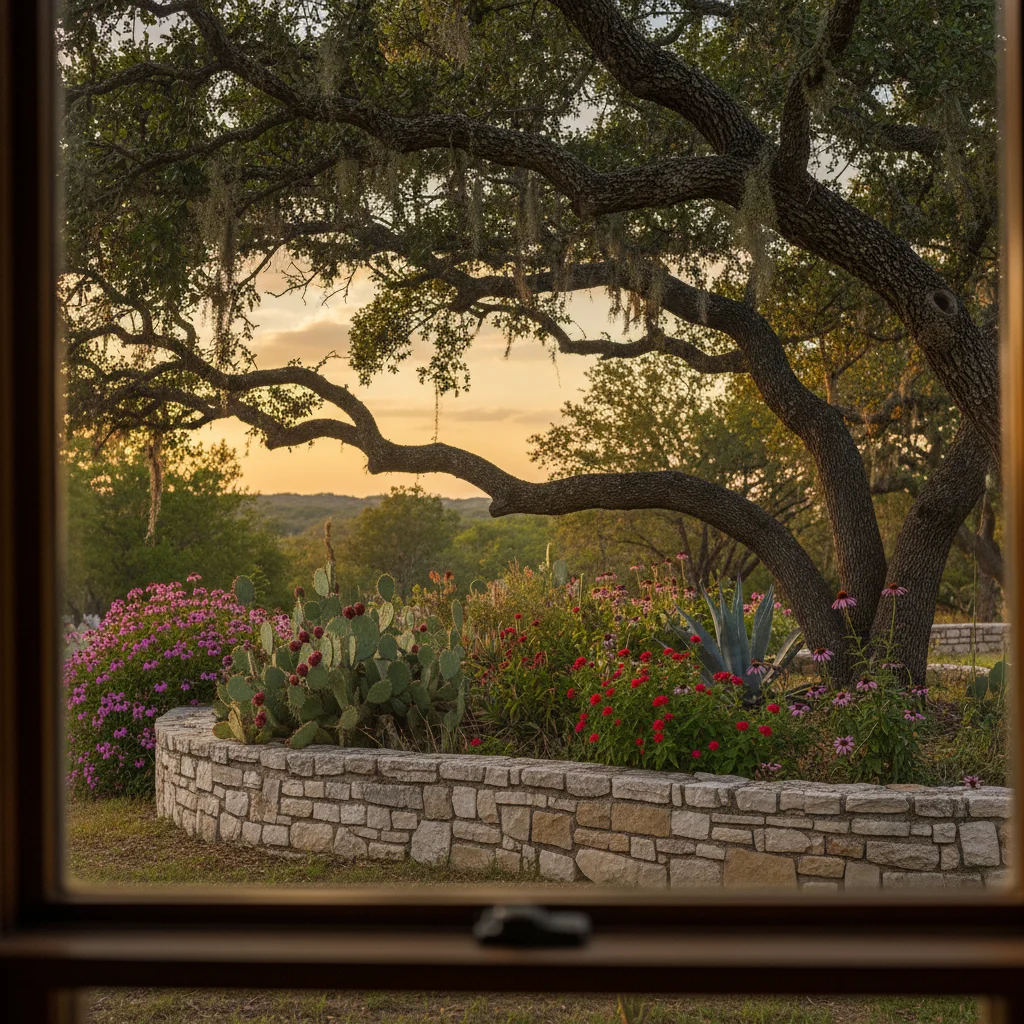
Hill Country live oak tree in warm afternoon light, Austin Texas

Training & Credentials

Education

  • BA Psychology, University of Texas at Austin 1999
  • MA Counseling, Texas State University 2012

Licenses

  • Licensed Professional Counselor (LPC)
  • Licensed Chemical Dependency Counselor (LCDC)

Certifications

  • Certified Employee Assistance Professional (CEAP) 2024
  • Transforming the Experiential Brain (TEB) Practitioner 2024
  • NARM-Practitioner (NeuroAffective Relational Model) 2025
  • Somatic Experiencing Practitioner (SE) 2026
06 — ABOUT

Practical Stuff

Questions you probably have.

Do you take insurance? +

Yes. I'm in-network with Aetna, United Healthcare, and Modern Health (EAP). On a different plan, I use Reimbursify to file your out-of-network claims for you, at no cost to you.

How much does a session cost? +

$175 for a 50-minute session. The first 45-minute consultation is free. Just a real conversation about whether we're a good fit.

Where is your office? +

3006 Bee Caves Road, Austin TX 78746. Virtual sessions available for anyone in Texas. Whatever works for you.

What are your hours? +

Monday through Friday, 12:00 PM to 5:00 PM. Kept intentionally. Mornings are for my own work so I can show up fully in the afternoons.

In-person or virtual? +

Both. Some of the somatic work lands better in person, but I've adapted my practice for virtual sessions too. We can talk through what makes sense for you during the consultation.

How do I book? +

Schedule directly through my online booking portal. Pick a time that works. Or use the contact form below and I'll get back to you.

07 — FAQ

Ready?

There's a seat for you here.

The free 45-minute consultation is a real conversation. We'll talk about what's going on and whether this is the right fit. No intake forms before we've met.

Or reach out directly.

Confidential. I will not spam you.

08 — CONTACT